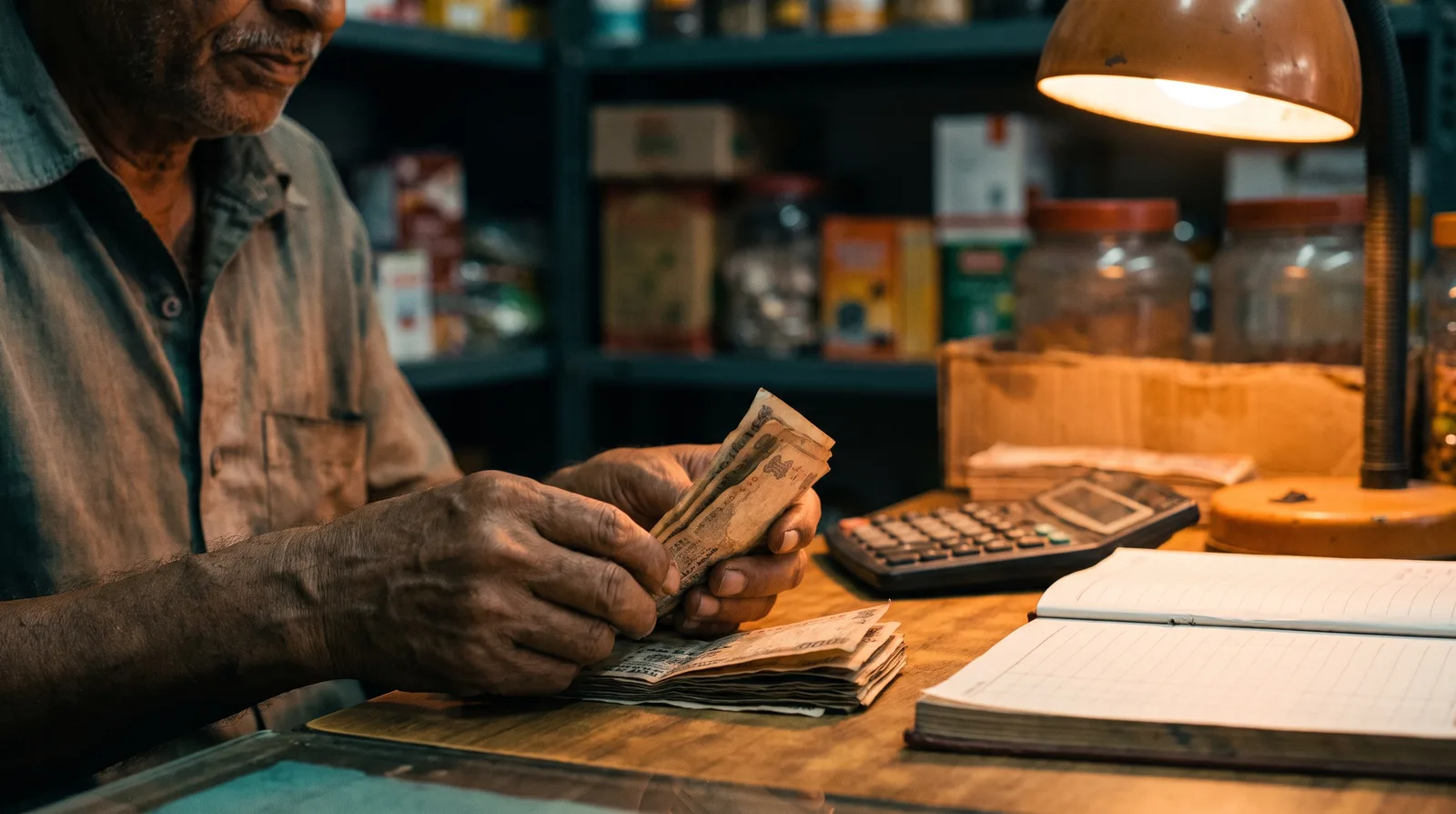
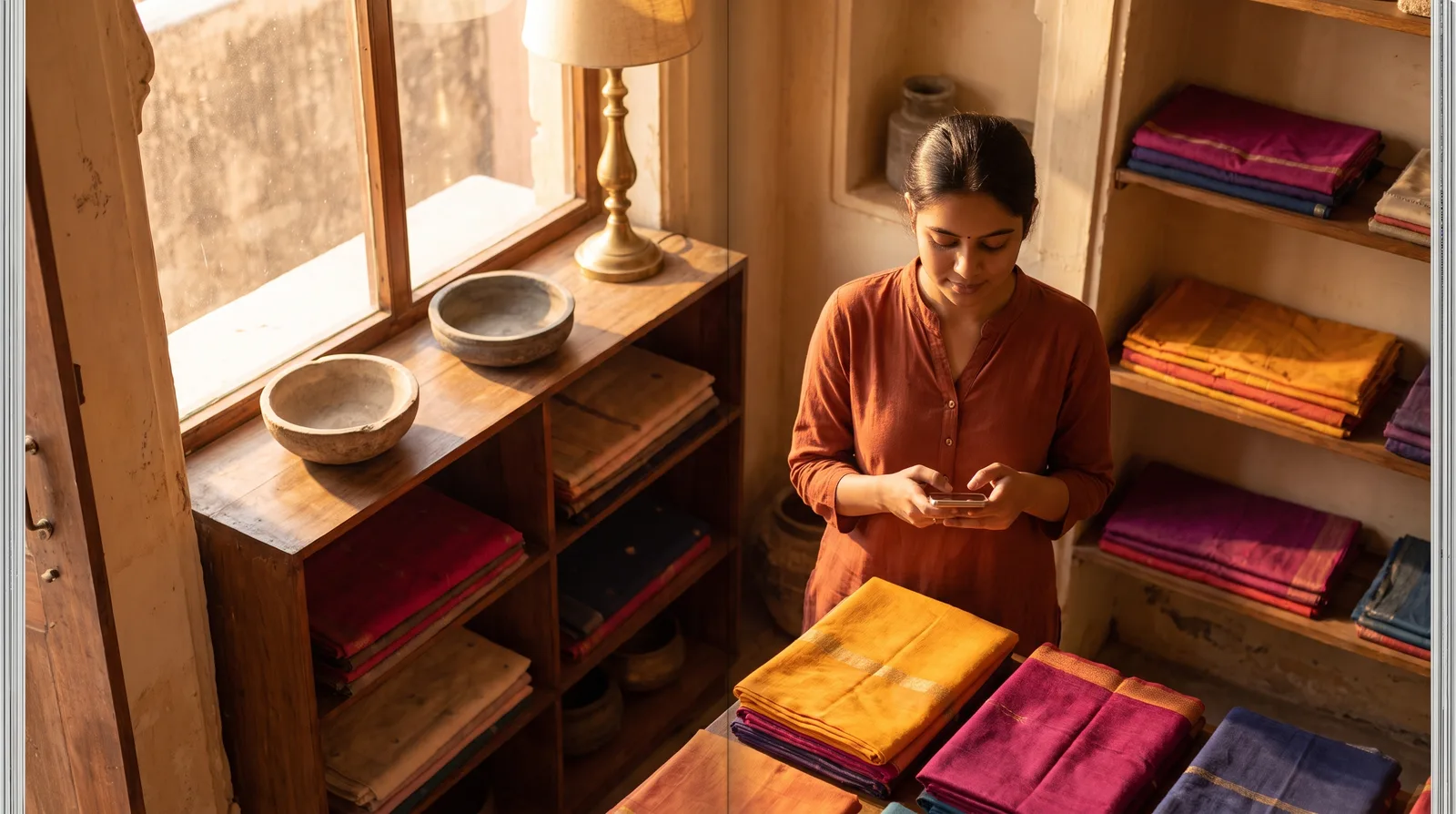
Social media is where Indian customers discover, compare and decide. Whether you run a bakery in Hyderabad, a coaching institute in Pune, or a D2C brand shipping nationwide, your next customer is scrolling right now.
This guide covers building a presence that actually brings in business — without a big team or a big budget.
Why this works differently in India
India is one of the largest and fastest-growing social media markets in the world, and the behaviour here is distinct. Instagram dominates discovery. Reels drive reach further than anywhere else. Buying decisions frequently start in a comment and finish in a DM rather than on a website.
The practical consequence: for most Indian businesses, social media is not a marketing channel sitting alongside the shop. It is the shopfront, the catalogue and the customer service desk at once.
Step 1: Pick the right channels
Do not try to be everywhere. Being thinly present on six platforms loses to being genuinely good on two.
- Instagram — the default for most B2C brands. Reels for reach, Stories for daily presence, DMs for enquiries.
- Facebook — still strong for local businesses, community groups, and audiences over 35.
- LinkedIn — essential for B2B, professional services and personal brand.
- YouTube — long-form and Shorts. The best platform for anything that needs explaining.
- Google Business — criminally underused. For any business with a physical location, this is where "near me" searches land.
- Pinterest — quietly excellent for fashion, food, interiors and weddings.
- Threads — low effort, conversational, worth cross-posting to.
A local retail or services business usually wins with Instagram plus Google Business. A B2B firm focuses on LinkedIn. A visual brand adds Pinterest. Pick two or three and do them properly.
Step 2: Build a simple content mix
Good social content falls into five buckets. Aim for a spread:
- Educate — tips, how-tos, myth-busting in your niche.
- Showcase — products, work, before-and-afters, results.
- Trust — reviews, testimonials, behind-the-scenes, the people involved.
- Engage — questions, polls, trends, festival content.
- Sell — offers, launches, clear calls to action.
The rough rhythm is four parts value to one part selling. Sell harder than that and reach collapses. Never sell and nothing converts.
Step 3: Use the Indian festival calendar
This is where Indian businesses have an edge that Western playbooks miss entirely.
Diwali, Holi, Raksha Bandhan, Ganesh Chaturthi, Eid, Onam, Pongal, and the regional new years — each is a natural, welcome reason to post, offer and reach out. Customers do not resent a Diwali message the way they resent a random Tuesday promotion.
Plan around the calendar and you will never run out of ideas. Batch each festival's content well in advance so you are not designing a Diwali poster at 11pm the night before.
Work backwards from the festival, not forwards. Most festival campaigns should start 10–14 days early, when people are researching and comparing, not on the day itself when they have already bought.
Step 4: Post consistently
Consistency beats intensity, and it is not close.
Three good posts a week, every week, will outperform ten posts one week followed by silence. Algorithms reward regularity, and so does your audience's memory.
The hard part is not knowing this. It is doing it while actually running a business. That is the specific problem scheduling solves: batch a week or a month in one sitting, then let it publish at the right times without you.
Step 5: Reply fast
On Indian social media, the sale often happens in the DM or the comments. Slow replies lose customers who were ready to buy.
Keep messages and comments from every channel in one place so nothing slips, and reply while intent is hot. A two-hour reply converts dramatically better than a two-day one.
Step 6: Measure what matters
Ignore vanity metrics. Track:
- Reach — are you being seen at all?
- Engagement rate — is the content landing?
- Saves and shares — the strongest signals that content was genuinely useful.
- DMs and enquiries — the metric closest to revenue.
- Follower growth — steady is healthier than spiky.
Review monthly. Double down on what works, drop what does not. Most businesses measure plenty and change nothing — the review is only worth doing if it changes next month's plan.
Common mistakes
- Too many platforms. Spread thin, present nowhere.
- Inconsistent posting. The single biggest reason accounts stall.
- Ignoring Google Business. Free, high-intent, and most local businesses leave it empty.
- Only selling. No value, no audience.
- No festival planning. Missing the highest-engagement windows of the year.
- Doing everything manually. Burning hours you do not have.
Making it sustainable
Everything above is simple to understand and hard to sustain. The gap between the two is where most businesses give up.
The fix is to stop doing the repetitive parts by hand. Plan the month in one sitting, generate the captions and creatives instead of writing each from scratch, schedule everything at once, and keep every reply in one inbox. Then your daily social media job is ten minutes of replying, not two hours of scrambling.
ZocialOne is built for exactly that: Instagram, Facebook, LinkedIn, YouTube, Pinterest, Threads and Google Business in one dashboard, with Zoe generating captions, festival creatives, posters and video, scheduling at AI-optimised times, and routing every comment and message to a single inbox — priced in INR with GST invoicing.
FAQs
How many platforms should a small business actually be on?
Two or three, done well. For most local Indian businesses that means Instagram plus Google Business, adding Facebook if your customers skew older.
How often should I post?
Three to five times a week is a strong, sustainable rhythm. Consistency matters more than volume — one post a week forever beats daily for a month then nothing.
Do I need to be on video?
For reach, yes. Reels and Shorts travel further than static posts by a wide margin. You do not need good equipment — a phone, decent light and a clear first line will outperform a polished video with a weak opening.
What is the fastest way to start?
Pick two channels, plan two weeks of content in one sitting, schedule it, and spend ten minutes a day replying. Review at month end. That is the whole loop.